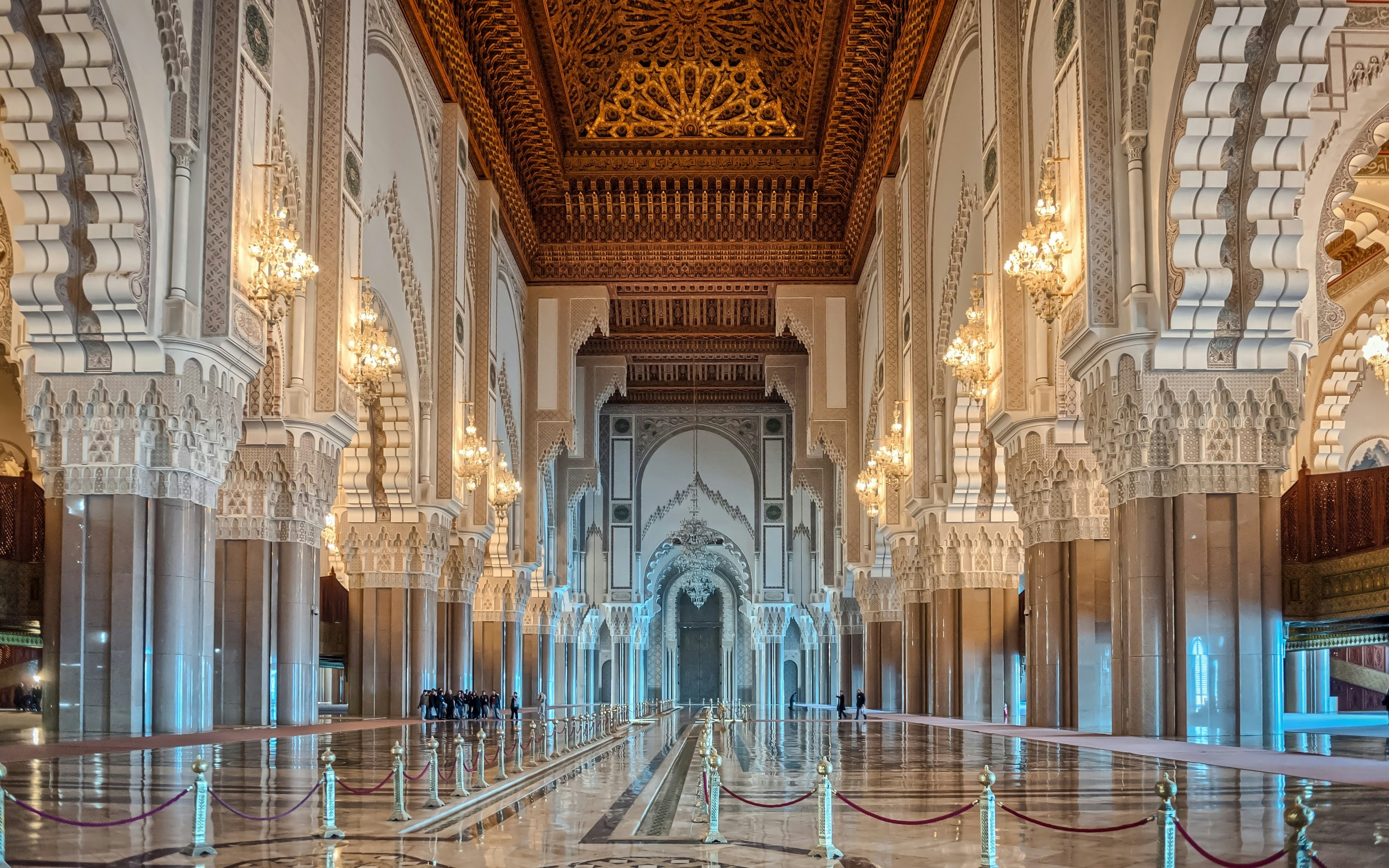
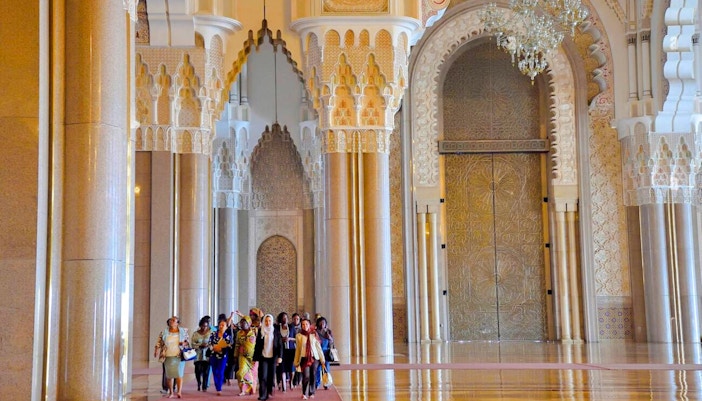
Step inside one of the largest prayer halls in the world, crowned by an intricately carved cedarwood ceiling. The space is lined with marble floors, ornate chandeliers, and detailed zellige tilework, offering a powerful sense of scale and craftsmanship.
Quick Information
RECOMMENDED DURATION
1 hour
Timings
09:00–17:00
VISITORS PER YEAR
300000
TICKETS
From $15.83
EXPECTED WAIT TIME - SKIP THE LINE
0-30 mins (Peak), 0-30 mins (Off Peak)
Did you know?
The mosque’s minaret is 210 meters tall, making it the second tallest minaret in the world.
Its prayer hall can accommodate up to 25,000 worshippers, while the courtyard holds an additional 80,000.
The mosque’s roof can be opened, allowing natural light and ventilation during prayers.
What to see at the Hassan II Mosque?
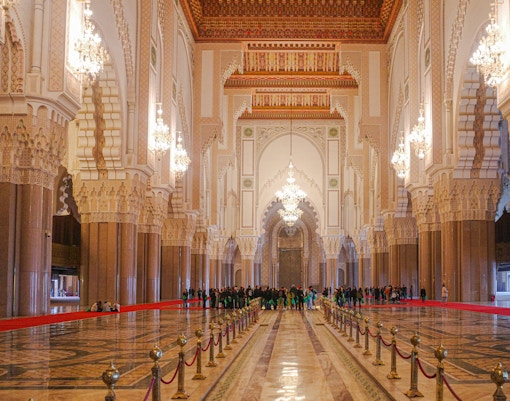
The Prayer Hall
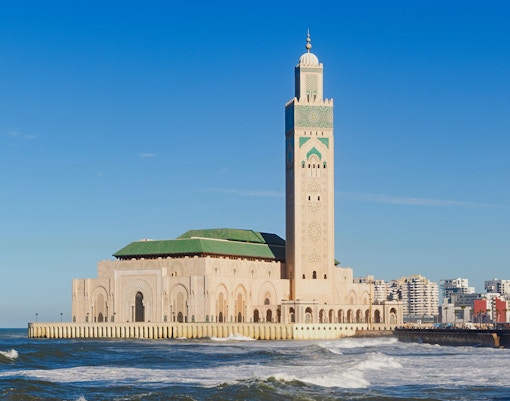
The Oceanfront Setting
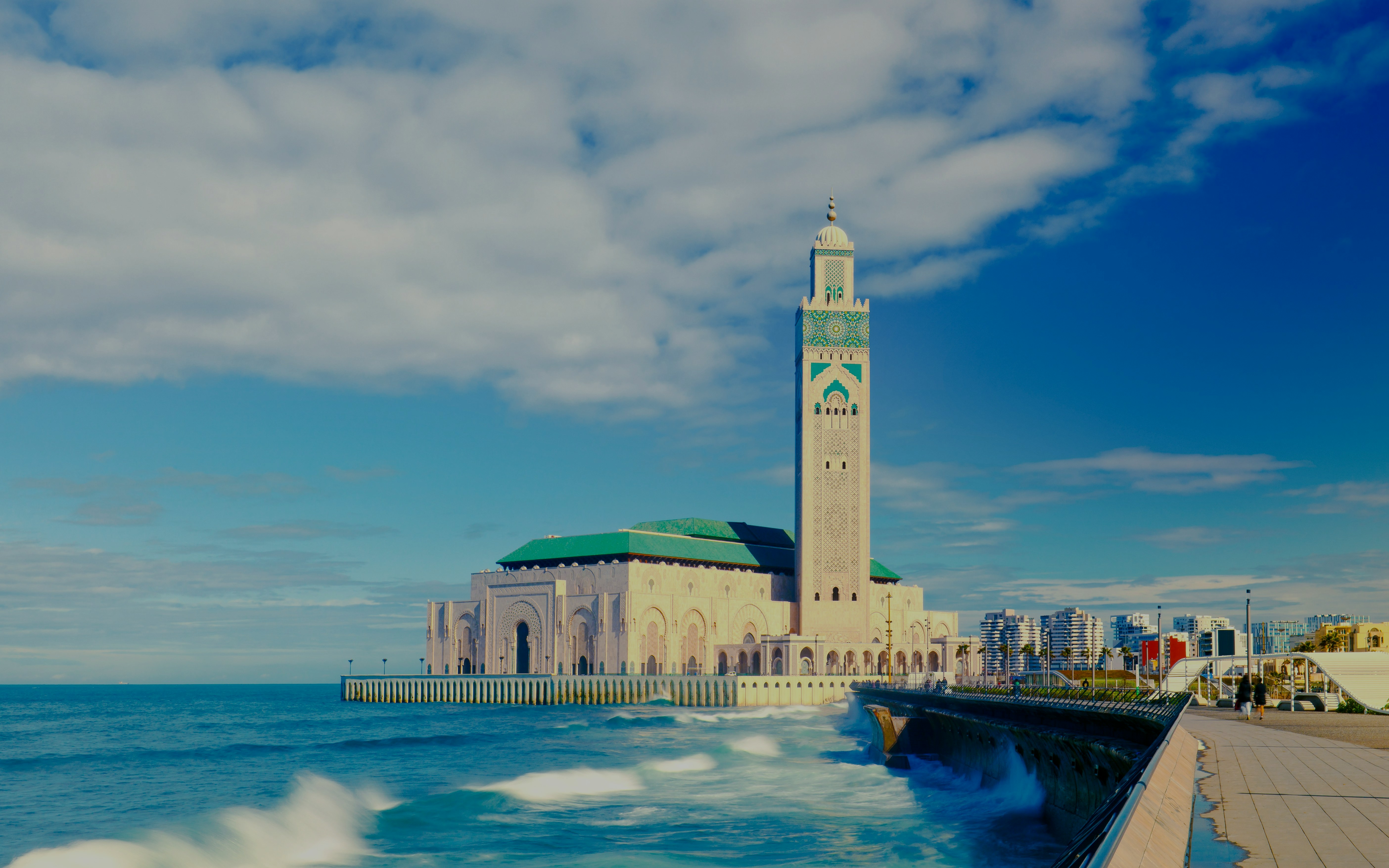
The mosque’s most striking feature is its location that's partly built over the Atlantic Ocean. From the esplanade, you’ll see waves crashing below and sweeping coastal views, making the exterior just as unforgettable as the interiors.

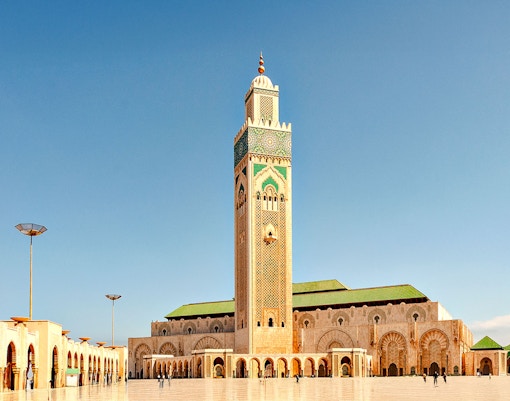
The Soaring Minaret
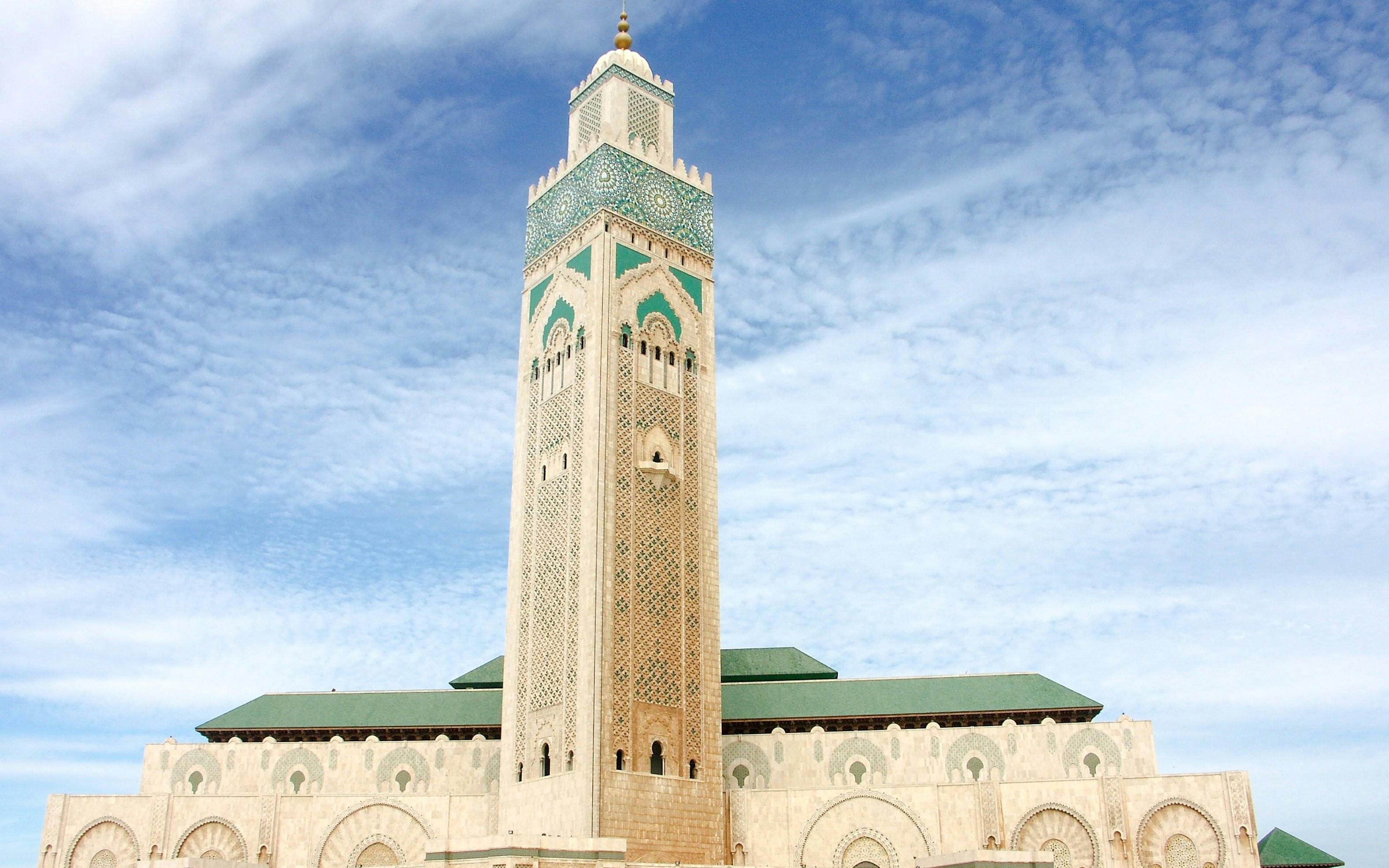
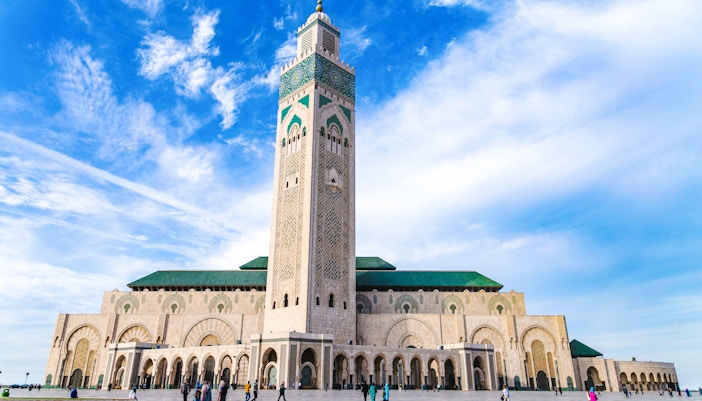
Rising over Casablanca’s skyline, the mosque’s minaret is the tallest in Morocco. Its geometric detailing and green-tiled crown are visible from across the city, especially beautiful when lit up in the evening.

Intricate Moroccan Craftsmanship
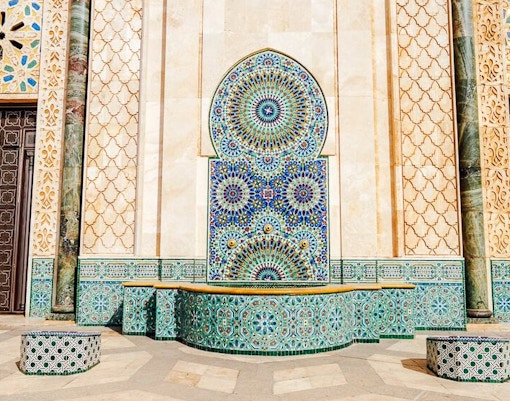
Every corner showcases master artisan work, from hand-cut mosaics and sculpted plaster to carved stone and painted wood. The mosque is a living display of Morocco’s finest traditional design, created by thousands of craftsmen over several years.

The Vast Courtyard
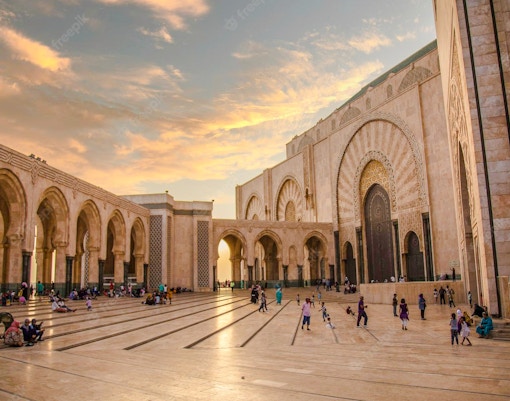
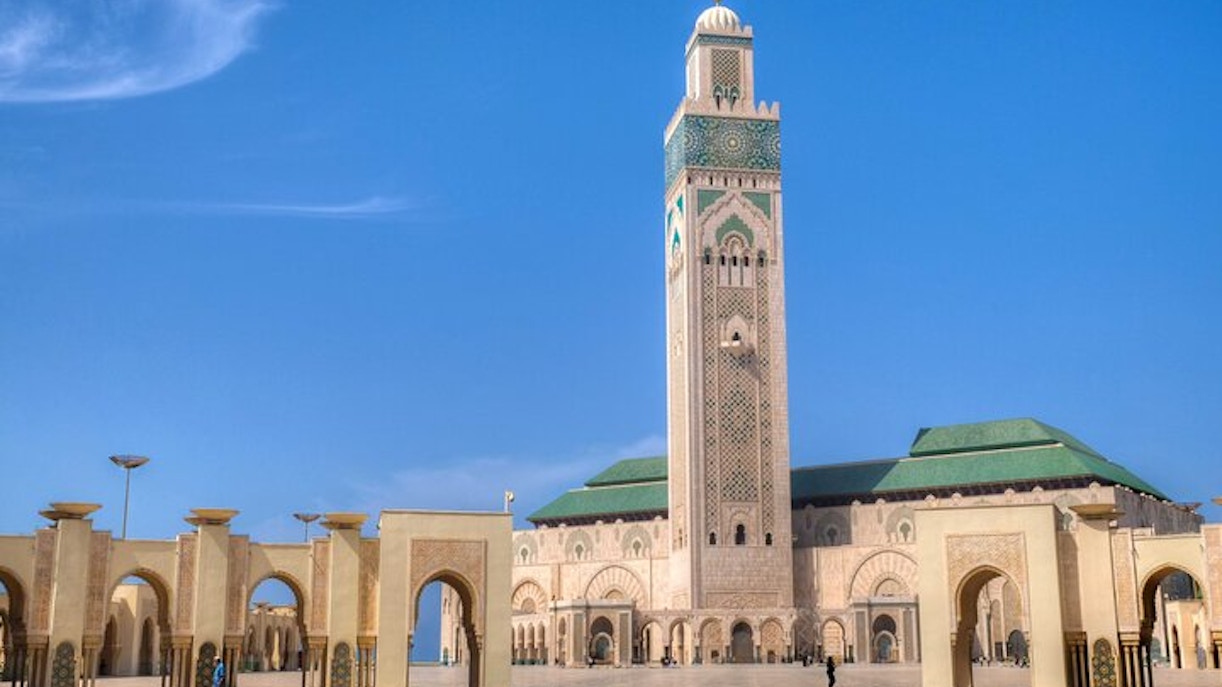
Outside the main hall, the expansive marble courtyard offers space to pause and take in the mosque’s grand symmetry. It’s especially atmospheric during quieter hours, with ocean breezes and panoramic architectural views.

Ablution Areas and Hammam Spaces
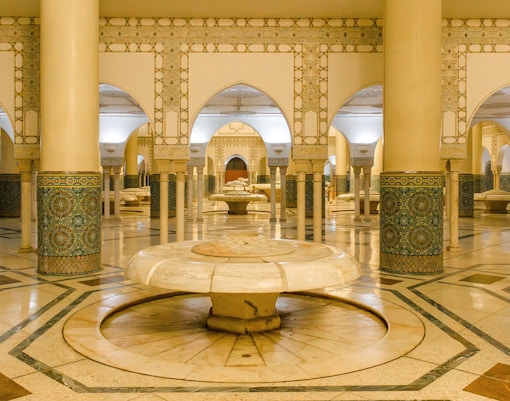
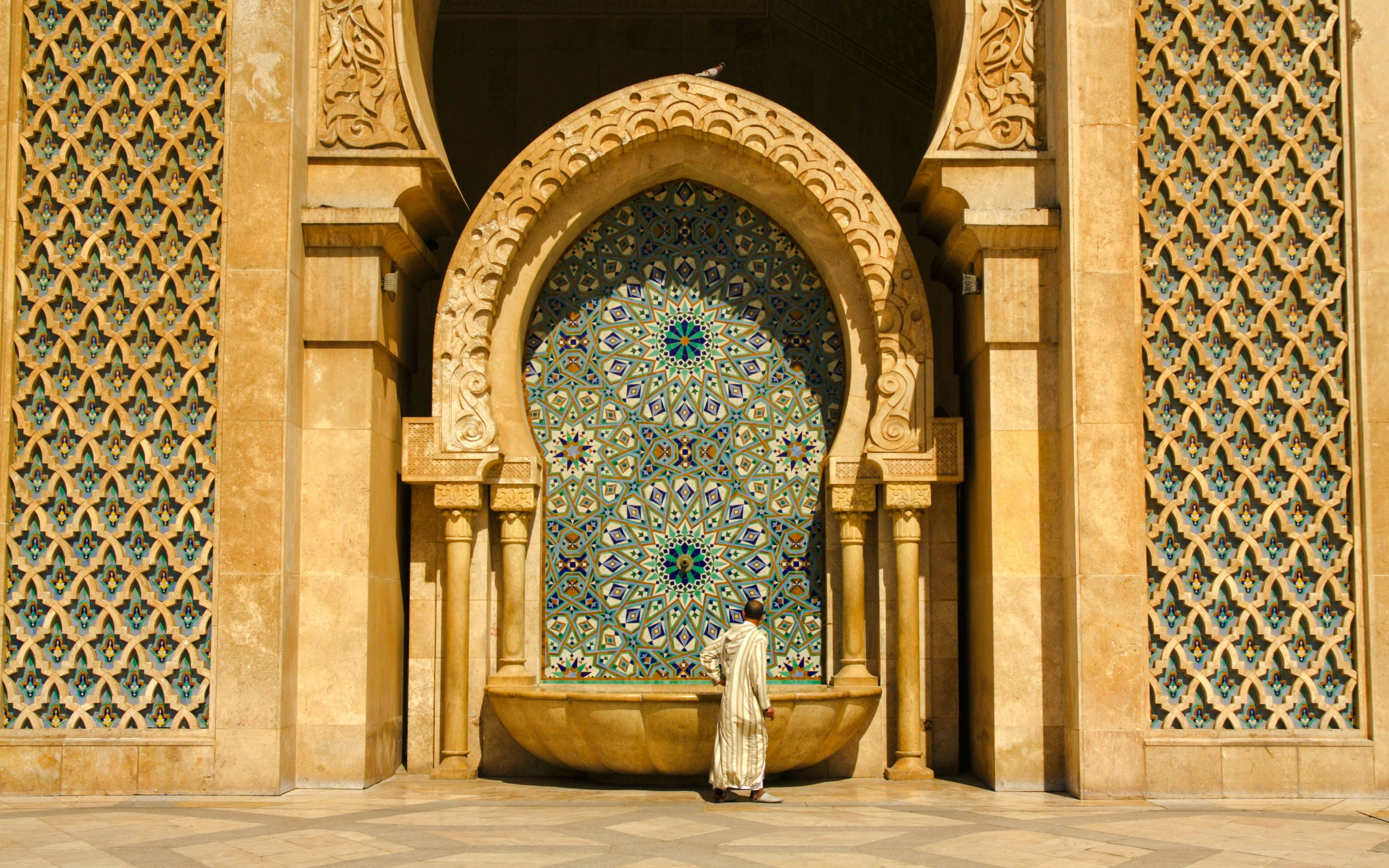
Visitors can also glimpse the mosque’s beautifully designed ablution rooms, where decorative fountains and polished marble continue the same attention to detail found throughout the complex.
Check out these Hassan II Mosque photos
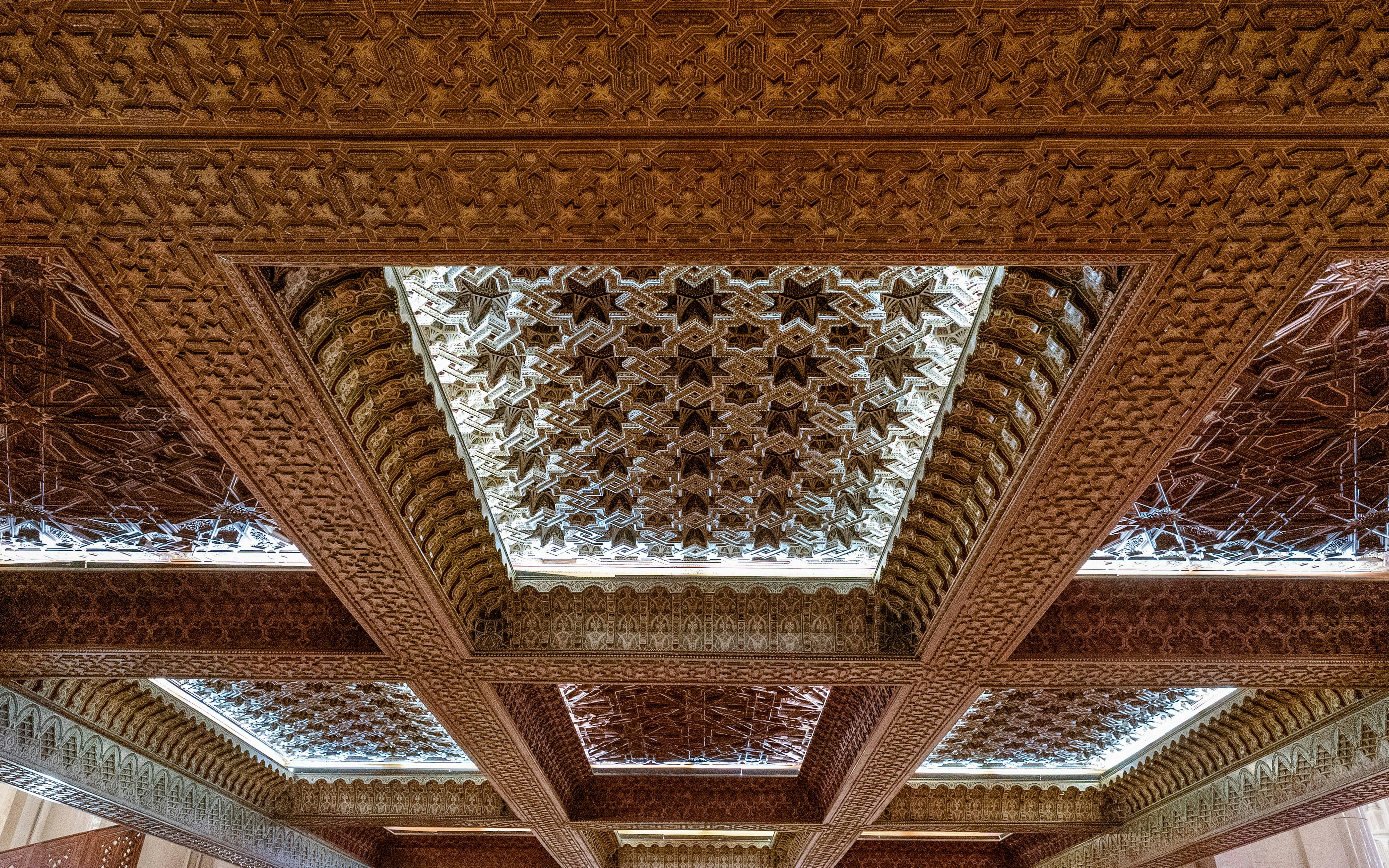
Hand-Carved Cedarwood Ceilings
Look up to see richly painted wooden panels, carved by master artisans in traditional Moroccan style.


Brief history of the Hassan II Mosque
- 1980s – Vision for a national landmark
King Hassan II commissions a grand mosque for Casablanca, intended to reflect Morocco’s cultural identity and craftsmanship on an international scale. - 1986 – Construction begins
Work starts on an ambitious site partly built over the Atlantic Ocean, symbolically linking faith with Morocco’s maritime heritage. - Late 1980s–1992 – Built by master artisans
Thousands of Moroccan craftsmen contribute traditional zellige tilework, carved plaster, marble floors, and cedarwood ceilings, preserving centuries-old techniques throughout the project. - 1993 – Completion and inauguration
After seven years of construction, the mosque is completed and officially opened, becoming one of the largest religious structures in Africa. - Today – Casablanca’s most iconic religious site
The Hassan II Mosque stands as a defining symbol of the city, and remains one of the few major mosques in Morocco accessible to non-Muslim visitors through guided tours.
Who built the Hassan II Mosque?
The Hassan II Mosque was designed by French architect Michel Pinseau, working closely with King Hassan II’s vision of creating a landmark that blended modern engineering with traditional Moroccan artistry. Built in an elaborate Moorish-Andalusian style, the project involved thousands of master craftsmen. Pinseau also contributed to other major royal developments across Morocco.
Hassan II Mosque architecture

The Hassan II Mosque's architecture draws from traditional Moorish forms while pushing architectural scale and complexity. Key features to look out for include:
- Oceanfront Foundation: Built partly over the Atlantic, the mosque required reinforced structural work to support its platform above the water.
- The Minaret: Rising over 200 meters, the minaret is a defining vertical element, designed in classic Moroccan style.
- Zellige Tilework & Marble Surfaces: The mosque’s exterior and interior are richly finished with mosaic tiles, polished marble, and decorative geometric patterns.
- Horseshoe Arches & Colonnades: Traditional Islamic architectural forms shape the prayer spaces, with sweeping arches and layered arcades creating a sense of openness.
- Retractable Roof: A modern architectural addition, the prayer hall’s movable roof allows the space to open to the sky, combining tradition with contemporary design.
Frequently asked questions about the Hassan II Mosque in Casablanca
The mosque’s Atlantic location was intentional. King Hassan II wanted part of it to rise above the sea, inspired by a Quranic reference to God’s throne upon water, creating a powerful spiritual setting.
Construction began in the late 1980s and the mosque was completed in 1993. Thousands of artisans and builders worked over several years, making it one of Morocco’s most ambitious modern monuments.
The Hassan II Mosque interior showcases Morocco’s finest traditional arts, from hand-carved cedarwood ceilings to intricate zellij tilework and sculpted plaster. Much of the decoration was created by master craftsmen using centuries-old techniques.
Although finished in the 1990s, the mosque is rooted in Moroccan-Andalusian design traditions. It also includes modern engineering features, blending historic artistry with contemporary construction on an extraordinary scale.
The minaret is one of the mosque’s most iconic elements and a defining feature of Casablanca’s skyline. Decorated with traditional geometric motifs, it symbolizes the mosque’s spiritual presence across the city.
Unlike Morocco’s older imperial mosques, the Hassan II Mosque is a modern national landmark. Its oceanfront setting, monumental scale, and openness to visitors make it a uniquely accessible religious site.
Casablanca is Morocco’s modern commercial hub, and the mosque serves as its cultural and spiritual centerpiece. It has become the city’s most recognizable symbol, linking contemporary life with deep artistic heritage.